

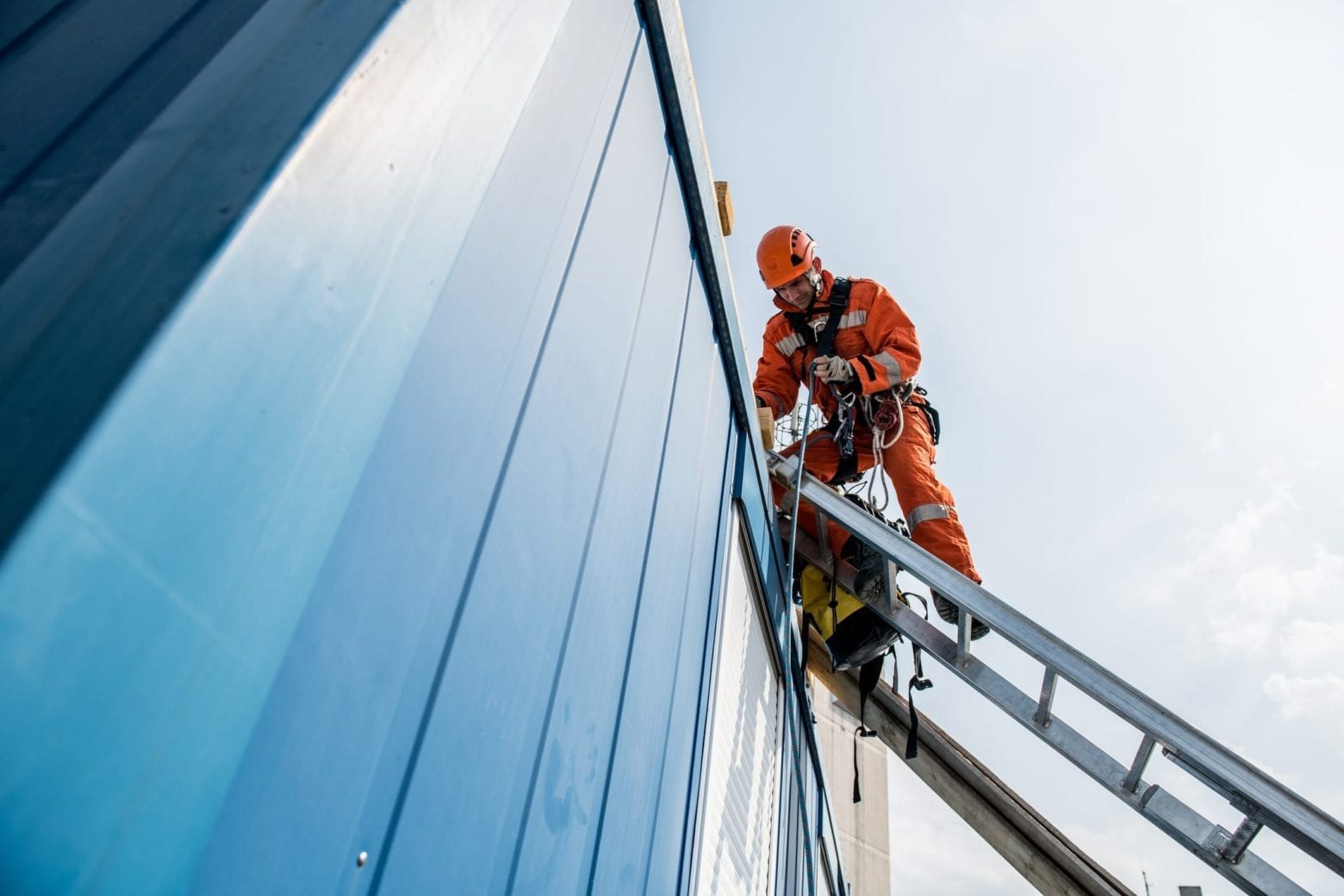
Every day, hundreds of New York City construction workers brave the perils of their jobs. While their tasks are hazardous, they should demand their employers and managers make every effort to keep their workplaces safe. If your loved one died in a construction accident in New York City, connect with our lawyers for 24×7 construction accident help facilities and carve the ideal legal approach for your case.
Contractors and building owners may frequently avoid workplace accidents by correcting problematic locations. Employers sometimes prioritize profits above safety, which may have disastrous effects on individuals affected by a deadly NYC construction disaster. The following are the four most common reasons for occupational injuries in New York –
- Falls
Fall risks are the leading cause of construction accidents in the US. In 2018, OSHA reported that 338 out of 1,008 construction-related fatalities (33.5%) were due to falls. This is not trivial. Construction workers fall from scaffolding, rooftops, ladders, girders, structural steel, or heavy equipment. They may also happen when employees fall from high floors.
- Injured by an object
Object strikes often cause construction worker accidents. According to OSHA, 11.1 percent of all construction deaths are caused by foreign object strikes. The most common “struck by” construction incidents are falling items and rigging failures. This category also covers employees wounded or killed by moving vehicles.
- Electrocutions
Sadly, electrocution occurs more often than it should on NYC construction sites. A worker exposed to a lethal level of electrical energy may die. OSHA says electrocutions account for 8% of construction fatalities. Working too near to power lines is one of the most common electrical risks on the job site.
-
Getting Stuck/Caught in Between
Workers are entrapped or hit by falling buildings, equipment, or other heavy things. Construction workers might get trapped in or squeezed by machinery or items. According to OSHA, 5.5% of workplace deaths are from caught-in/between incidents. According to reports, up to a third of OSHA-reported incidents occur in New York City. New York has boosted inspections and sanctions for unsafe building sites, but not enough. A quarter of the city’s 45,000 building sites are deemed unsafe.
Building site risks remain an issue across the United States. Sadly, construction sites in New York City are repeatedly discovered to contain dangers that either go unreported or are deliberately ignored by employers. Construction sites should be examined regularly to verify that safety requirements are being followed.
